Injection Molding Tips for Global Buyers at Canton Fair 139?
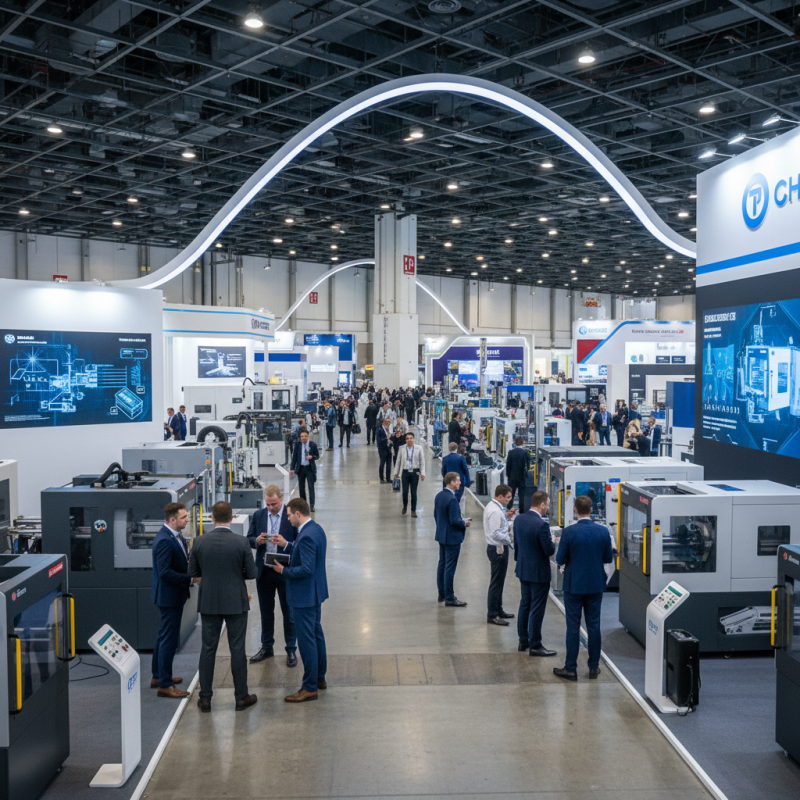
The 139th Canton Fair presents a unique opportunity for global buyers seeking to enhance their knowledge of Injection Molding. As a vital part of the manufacturing landscape, Injection Molding accounts for approximately 29% of the global plastics market, highlighting its importance. Buyers can explore advanced technologies and innovative materials displayed at the fair.
AI-driven features at the Canton Fair will streamline the sourcing process. The use of artificial intelligence allows buyers to filter suppliers based on specific certifications, like ISO and CE. This update accelerates vendor selection in a vast exhibition area of 1.55 million square meters. Effective navigation is critical in such a large space.
Yet, challenges remain. Not all suppliers will meet the buyer's expectations. There will be varied levels of quality and compliance among exhibitors. Buyers must prepare to engage, ask questions, and assess capabilities carefully. The fair is an excellent venue for learning, adaptation, and critical decision-making in the Injection Molding sector.
Understanding Injection Molding Basics for Global Buyers
Injection molding is a key manufacturing process widely used for producing a variety of plastic parts. For global buyers attending the Canton Fair, understanding the basics of this technique is crucial. Reports indicate that the injection molding market is projected to reach $345 billion by 2027, growing at a compound annual growth rate (CAGR) of 5.5%. This growth highlights the importance of staying informed about industry trends.
Key factors influence injection molding. Material selection is critical. Thermoplastics and thermosetting plastics have distinct properties. Buyers must understand these to make informed decisions. Additionally, tooling costs can be substantial, often exceeding 30% of overall production costs. Buyers should be prepared for potential delays due to tooling issues. Quality assurance is another concern. Reports show that 15% of molded parts may require rework.
Navigating the complexities of injection molding is not straightforward. Mistakes in design or material can lead to increased costs. Buyers need to ask the right questions during discussions. Communication with manufacturers is vital. Specifically, understanding lead times and production capabilities will help prevent misunderstandings. Engaging in thorough research during the Canton Fair will equip buyers with valuable insights for their purchasing decisions.
Key Considerations When Attending the Canton Fair
Attending the Canton Fair offers a wealth of opportunities for global buyers interested in injection molding products. Preparing for this event requires careful consideration. Start by researching exhibitors. Know which companies align with your needs. This can help narrow down your visit and maximize your time.
It's vital to stay organized. Bring a notebook to jot down key details. Take notes on product specifications and pricing. Sometimes, the most informative conversations happen unexpectedly. Don’t hesitate to engage with various suppliers, even if they weren’t on your list. Each interaction can provide insights or alternatives you may not have considered.
Remember, the environment can be overwhelming. Crowds, noise, and plenty of options may lead to hasty decisions. Take breaks to reflect on what you’ve learned. Prioritize essential criteria for your projects. Think about quality, cost, and delivery time. Make a checklist to guide your inquiries. This can help maintain focus amid distractions.
Tips for Selecting Reliable Injection Molding Suppliers
Choosing a reliable injection molding supplier is crucial for global buyers. A recent industry report highlighted that over 70% of product defects stem from poor supplier quality. Thus, assessing potential partners carefully can save time and costs.
Start by evaluating the supplier's certifications. Look for ISO 9001 or similar standards. These certifications ensure adherence to quality management systems. Furthermore, ask for references and case studies. Genuine suppliers will gladly offer insights from previous projects, showcasing their capabilities and reliability.
Communication also plays a vital role. It’s essential to have open channels and quick responses. This will help avoid misunderstandings regarding specifications and timelines. Interestingly, a survey revealed that 40% of projects fail due to communication breakdowns.
Be wary of suppliers who hesitate to provide clear answers or seem too accommodating. It may suggest a lack of experience or transparency. Remember, your success hinges on the strength of these partnerships.
Evaluating Quality Standards in Injection Molding Products
When evaluating quality standards in injection molding products, several factors come into play. Buyers at the Canton Fair should carefully consider material quality. Is the plastic used durable? Does it withstand stress? Poor material leads to product failure. Inspect samples for defects before making decisions.
Another important aspect is the precision of molds. Any variation can lead to issues in the final product. This might result in misalignment or poor fit. Pay attention to the craftsmanship of the molds. Workers’ training also plays a crucial role. Are they experienced? How do they ensure quality? Open discussions with suppliers can reveal their quality control processes.
It's easy to overlook these details while rushing through suppliers. Take your time. Quality isn't just about looks; it impacts functionality too. A product may seem perfect, yet fail in use. Reflection is essential—ask yourself: does this meet long-term needs? Engage with suppliers, and prioritize learning over quick buying.
Negotiation Strategies for Global Buyers at Trade Fairs
Navigating trade fairs like the Canton Fair can be complex for global buyers. Effective negotiation strategies are key to securing favorable terms. Start by conducting thorough research on suppliers. Understanding their strengths and weaknesses can give you an edge. Remember, every interaction is an opportunity. Observe how vendors display their products and engage with customers. Take notes on what works and what doesn't.
Building rapport is crucial. A friendly conversation can lead to better negotiation outcomes. Consider using open-ended questions to encourage dialogue. For instance, ask about their production capabilities or delivery timelines. It’s important to listen actively. Sometimes, their responses will reveal more than the products themselves. A genuine interest in their business often cultivates trust.
Don’t be afraid to make mistakes during negotiations. Learning from missteps is part of the process. If a supplier reacts negatively, reflect on why. Did you rush the conversation? Did you seem uninterested? Adjusting your approach can improve future interactions. Trade fairs are a learning experience, and each negotiation makes you more adept. Embrace the journey, imperfections and all.